

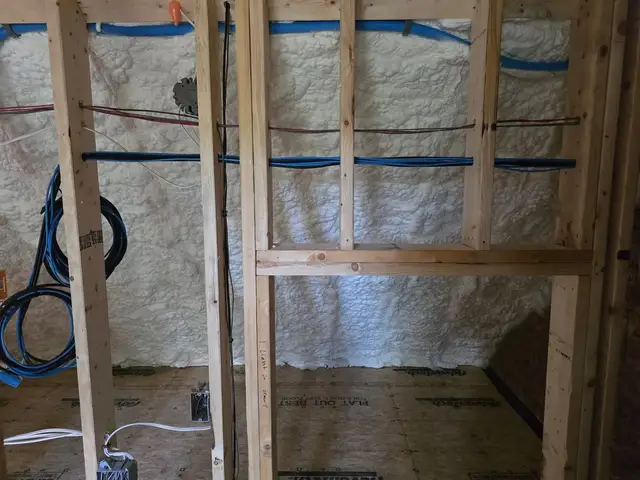
Open-Cell Spray Foam
Open-cell spray foam expands into accessible wall and ceiling cavities, helping limit air leakage and absorb some airborne noise. It suits interior projects when the assembly allows appropriate vapor movement.
Learn More
Open-cell spray foam expands into accessible wall and ceiling cavities, helping limit air leakage and absorb some airborne noise. It suits interior projects when the assembly allows appropriate vapor movement.
Learn More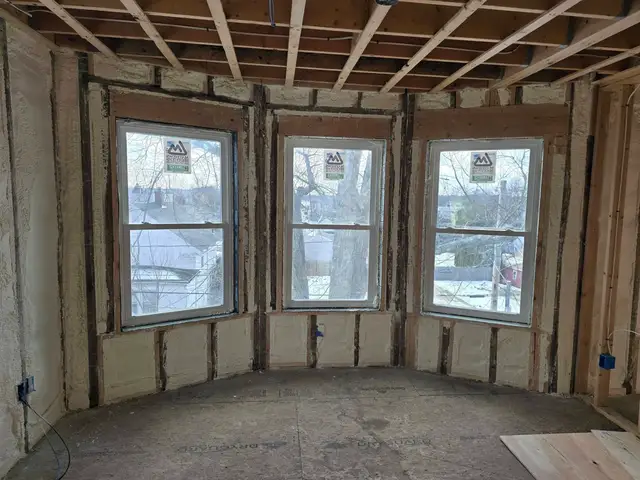
Closed-cell spray foam delivers greater thermal resistance per inch and increased vapor resistance. It can work well around rim joists and other tight spaces when moisture conditions are properly addressed.
Learn More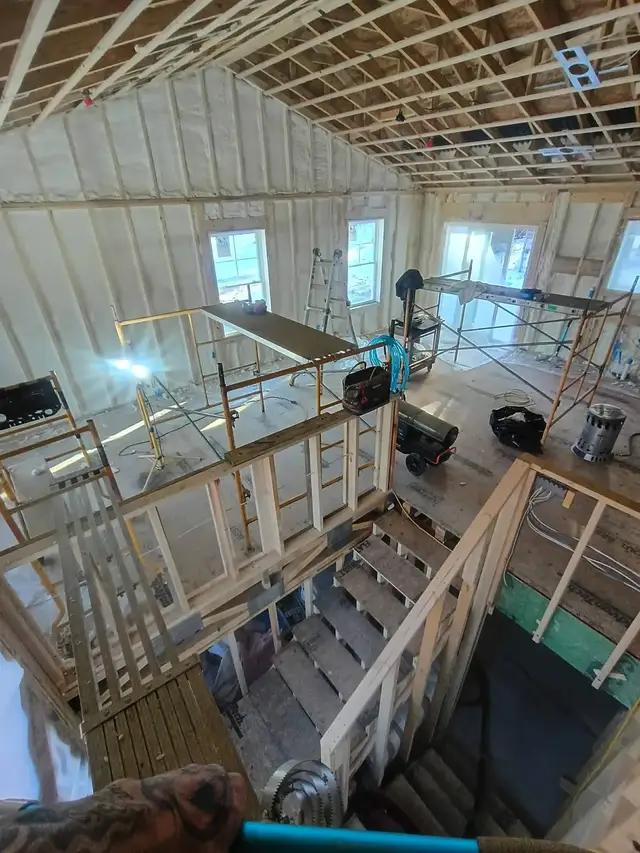
Commercial insulation covers offices, workshops, warehouses, and other business spaces. Material selection considers building use, access, code requirements, and day-to-day scheduling needs so insulation work fits the property's operating conditions.
Learn More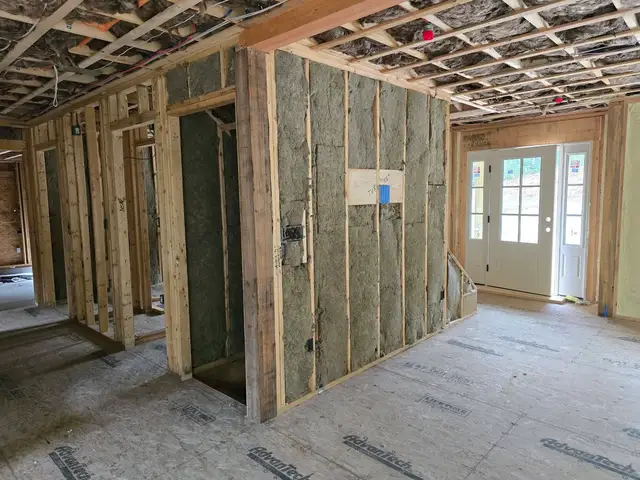
Residential insulation addresses areas that affect indoor comfort, including walls, floors, and additions. The right material depends on existing construction, available cavity space, and the homeowner's plans for the property.
Learn More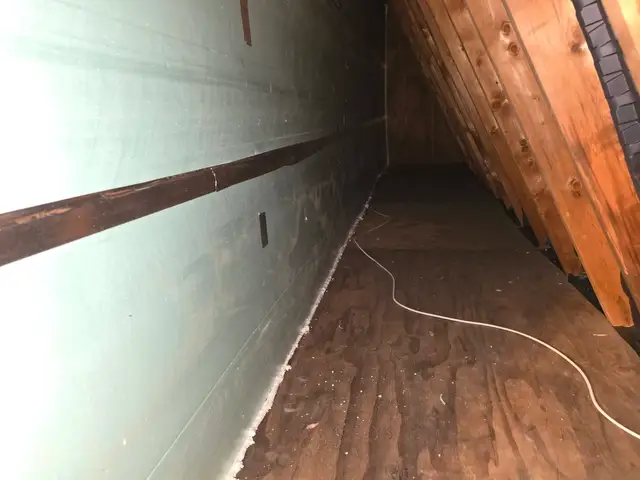
Attic insulation limits heat transfer between living spaces and the roof. Installation planning considers ventilation, existing materials, air leakage, and moisture control before choosing the appropriate insulation method.
Learn More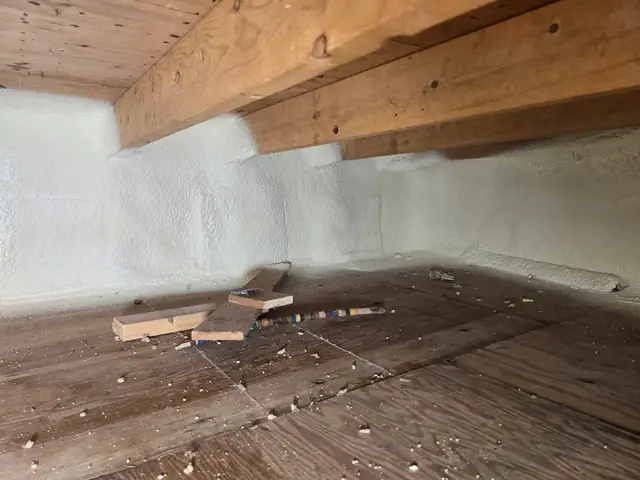
Crawl space insulation targets floor assemblies and foundation areas exposed to unconditioned air. Choosing materials requires checking ground moisture, access, and how the crawl space connects to the rest of the home.
Learn More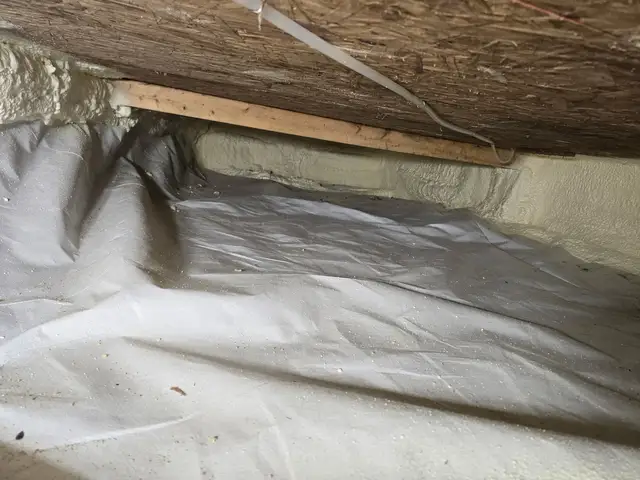
Crawl space encapsulation involves installing a ground vapor barrier and addressing appropriate air and moisture entry points. It may suit crawl spaces affected by persistent ground dampness or exposed soil.
Learn More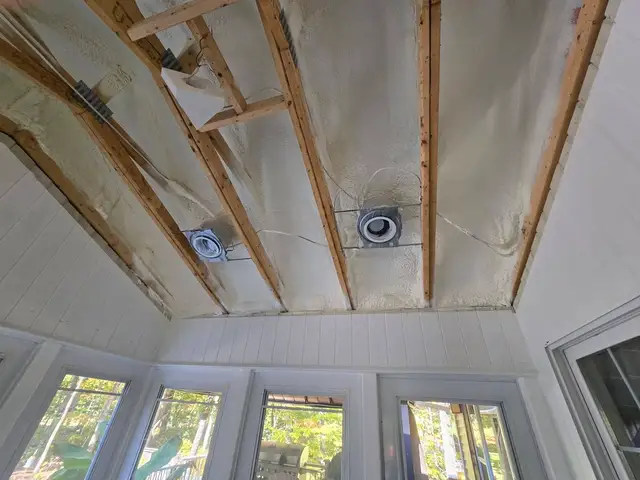
Retrofit insulation improves existing buildings without requiring a complete rebuild. Depending on wall access and current materials, blown insulation or other methods may address cavities missed during the original construction.
Learn More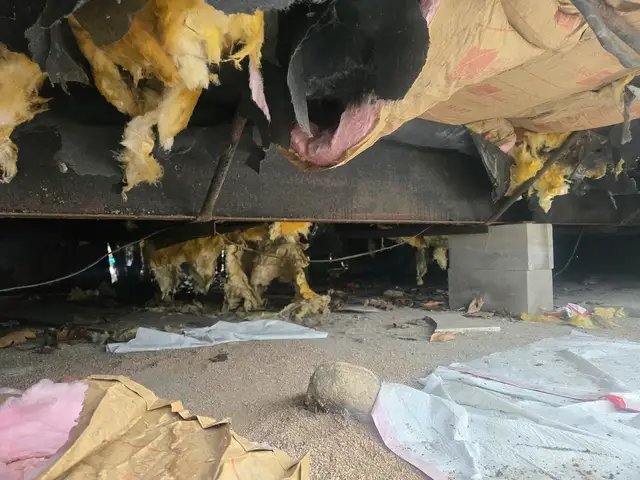
Insulation removal clears deteriorated, wet, or unsuitable materials from accessible spaces before replacement. It can be useful after leaks, pest activity, or renovations expose older insulation that needs further attention.
Learn More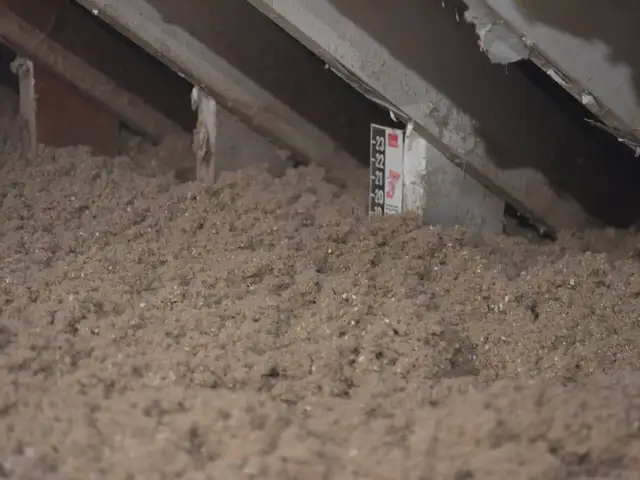
Blown-in insulation fills suitable attic spaces and enclosed cavities with loose insulation. It can help cover irregular areas that are difficult to reach with batts during upgrades or construction.
Learn More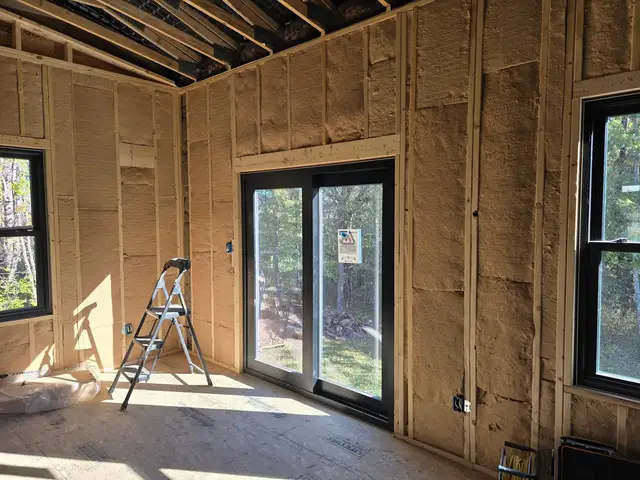
Dense-pack cellulose is installed under pressure into suitable wall or floor cavities, helping fill hidden gaps. It can be useful when upgrading older homes where removing interior finishes is undesirable.
Learn More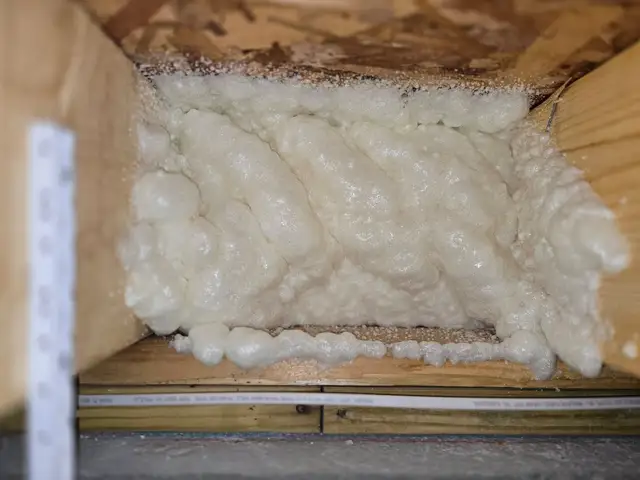
Air sealing services target cracks and gaps around penetrations, framing connections, and other accessible openings. Addressing these leaks can complement insulation improvements and help reduce noticeable unwanted drafts inside buildings.
Learn More