
Make living spaces more usable.
Improve insulation in bonus rooms, finished additions, and areas above garages that need better temperature control.
Loading
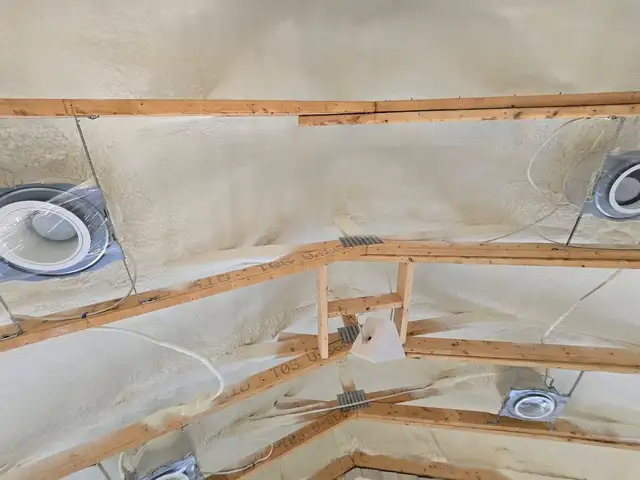
Your thermostat says the house is warm, but the room above the garage tells a different story. Pelletier Insulation LLC helps East Waterboro property owners seal hidden insulation gaps with spray foam to reduce air leaks, limit heat loss, and improve comfort.
Whether you're renovating an older home, building a new property, or upgrading a commercial space, we provide spray foam insulation solutions suited to your building. Our team focuses on proper material selection and careful installation to help your property perform better through Maine's changing seasons.
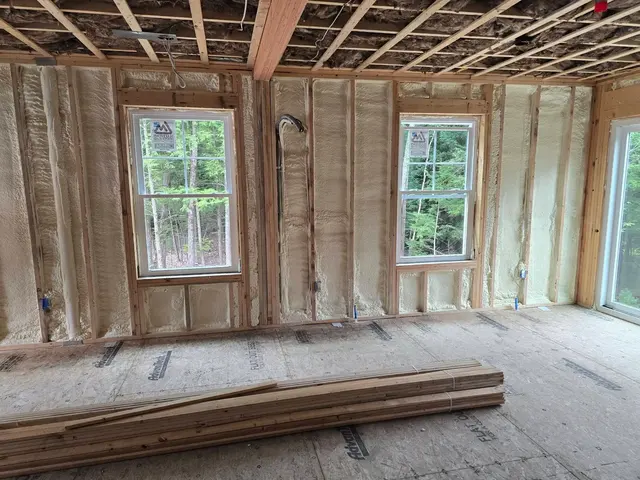
East Waterboro has cold winters, seasonal snowfall, and humid summers. According to National Weather Service climate records, nearby Portland averages approximately 144 nights per year at or below 32°F, based on 1991–2020 data. With such a long heating season, poorly insulated attics, exposed rim joists, and gaps around framing can make it hard to maintain indoor temperatures.
A properly installed spray foam insulation system helps limit heat transfer and unwanted air movement by filling accessible cavities. The EPA estimates that homeowners can save an average of 15% on heating and cooling costs in typical U.S. homes by combining air sealing and insulation improvements. This national estimate isn't specific to spray foam, and actual results depend on the property's condition, existing insulation, and installation requirements.
The benefits of spray foam insulation depend on the material you choose and the areas you treat. Proper insulation can help address several common concerns for residential and commercial property owners.
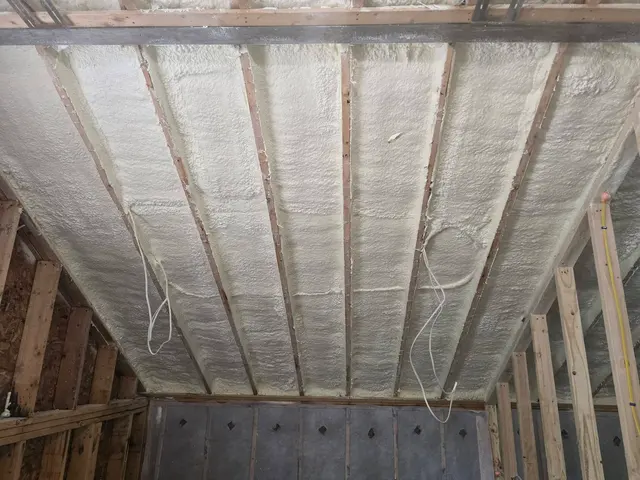
Improve insulation in bonus rooms, finished additions, and areas above garages that need better temperature control.
Choose insulation suited to interior walls separating bedrooms, home offices, workshops, and other occupied spaces.
Use materials that provide the required thermal resistance where framing depth or available space is limited.
Consider vapor control, condensation risks, and existing moisture conditions when planning insulation for walls and roof assemblies.
Replace unsuitable insulation in accessible areas before installing new drywall, flooring, or other finishes.
Plan insulation around the way a house, storage facility, workshop, or commercial building is used.
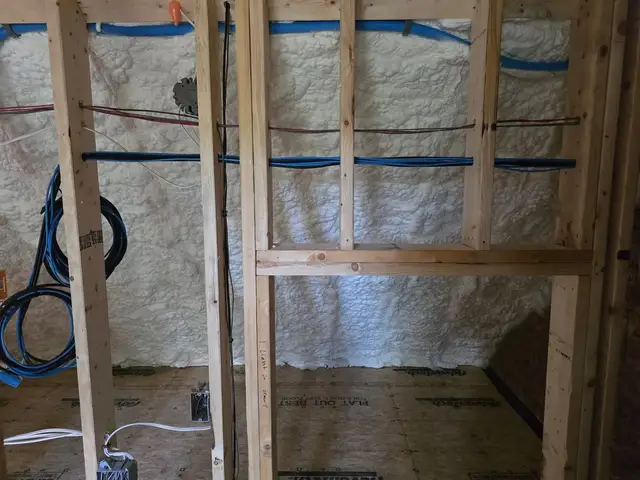
Open-cell spray foam expands into accessible wall and ceiling cavities, helping limit air leakage and absorb some airborne noise. It suits interior projects when the assembly allows appropriate vapor movement.
Learn More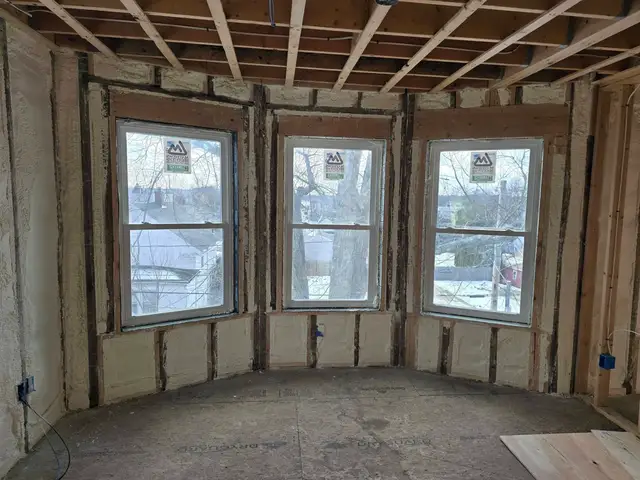
Closed-cell spray foam delivers greater thermal resistance per inch and increased vapor resistance. It can work well around rim joists and other tight spaces when moisture conditions are properly addressed.
Learn More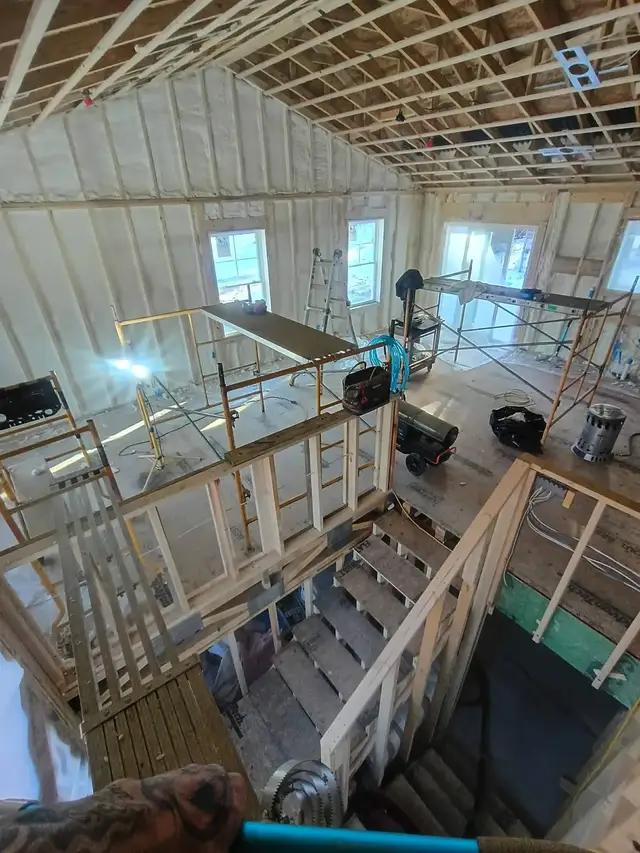
Commercial insulation covers offices, workshops, warehouses, and other business spaces. Material selection considers building use, access, code requirements, and day-to-day scheduling needs so insulation work fits the property's operating conditions.
Learn More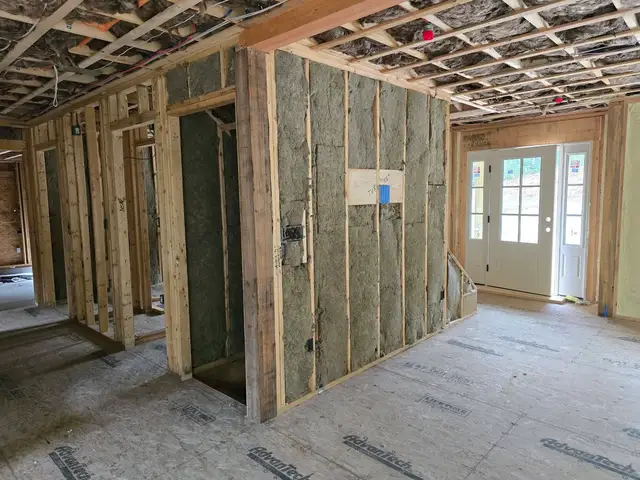
Residential insulation addresses areas that affect indoor comfort, including walls, floors, and additions. The right material depends on existing construction, available cavity space, and the homeowner's plans for the property.
Learn More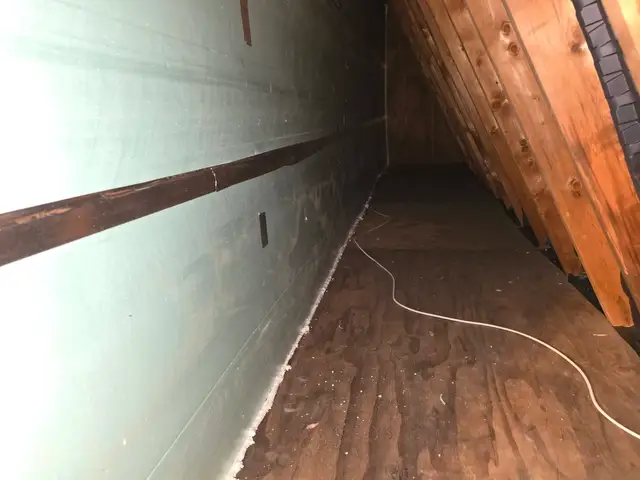
Attic insulation limits heat transfer between living spaces and the roof. Installation planning considers ventilation, existing materials, air leakage, and moisture control before choosing the appropriate insulation method.
Learn More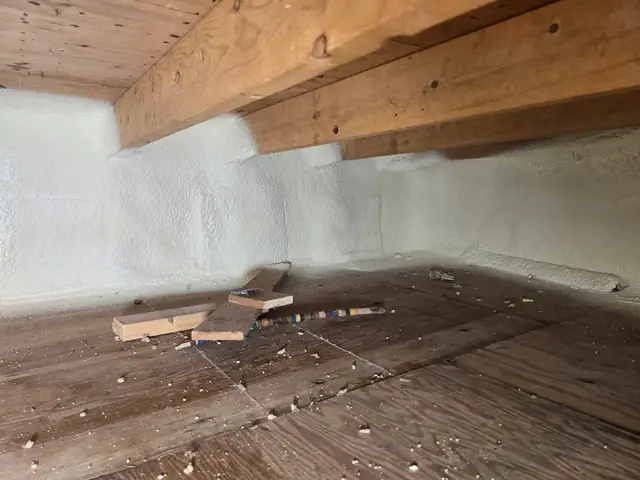
Crawl space insulation targets floor assemblies and foundation areas exposed to unconditioned air. Choosing materials requires checking ground moisture, access, and how the crawl space connects to the rest of the home.
Learn More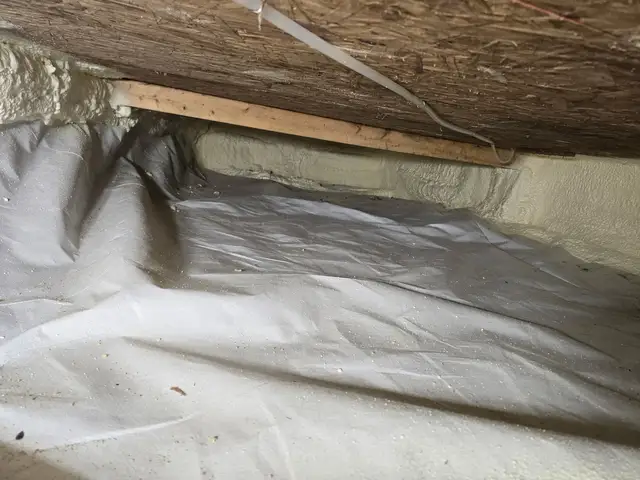
Crawl space encapsulation involves installing a ground vapor barrier and addressing appropriate air and moisture entry points. It may suit crawl spaces affected by persistent ground dampness or exposed soil.
Learn More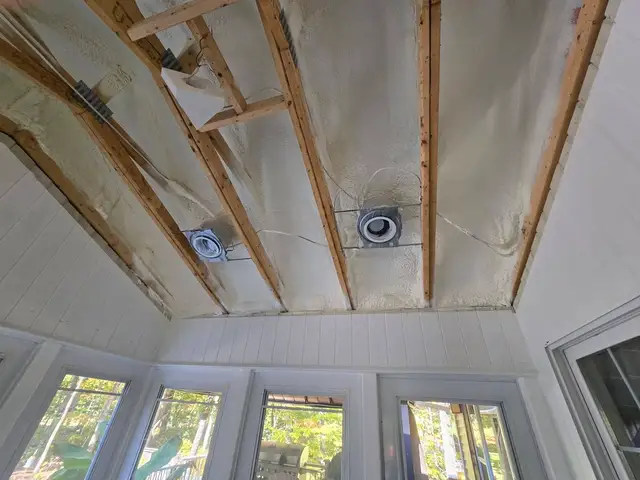
Retrofit insulation improves existing buildings without requiring a complete rebuild. Depending on wall access and current materials, blown insulation or other methods may address cavities missed during the original construction.
Learn More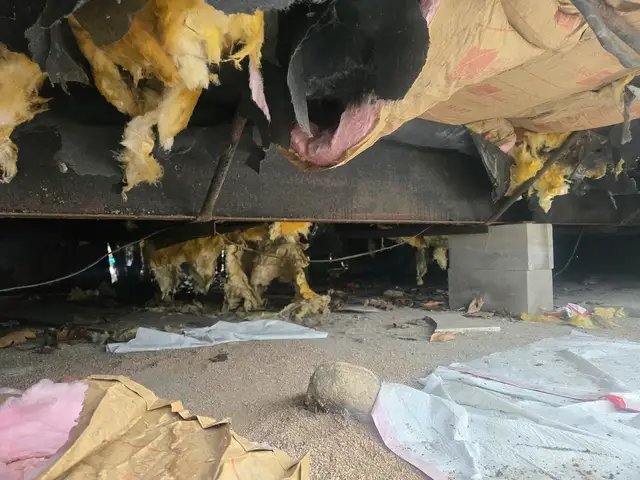
Insulation removal clears deteriorated, wet, or unsuitable materials from accessible spaces before replacement. It can be useful after leaks, pest activity, or renovations expose older insulation that needs further attention.
Learn More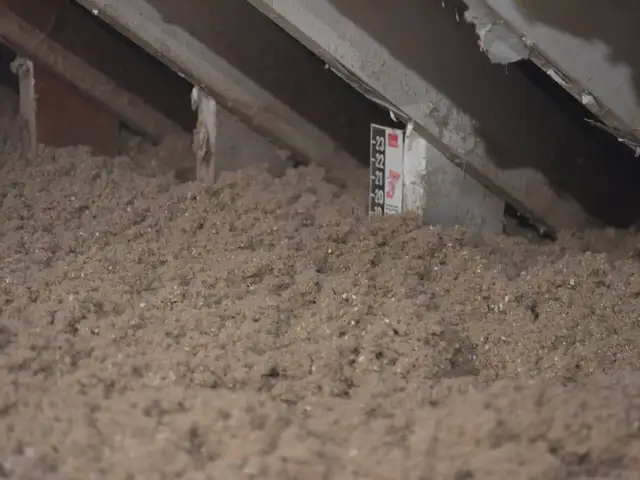
Blown-in insulation fills suitable attic spaces and enclosed cavities with loose insulation. It can help cover irregular areas that are difficult to reach with batts during upgrades or construction.
Learn More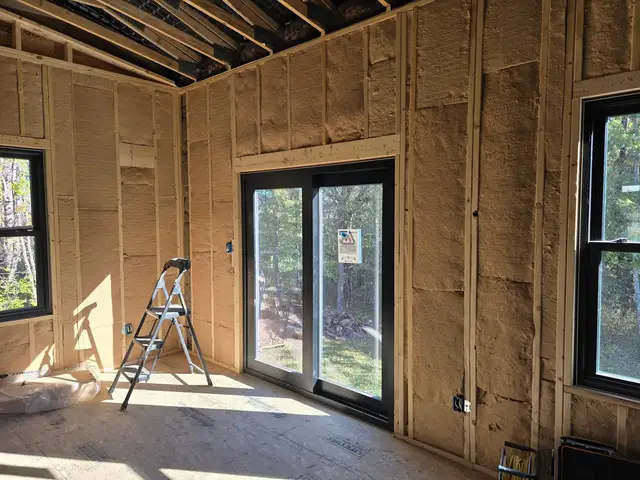
Dense-pack cellulose is installed under pressure into suitable wall or floor cavities, helping fill hidden gaps. It can be useful when upgrading older homes where removing interior finishes is undesirable.
Learn More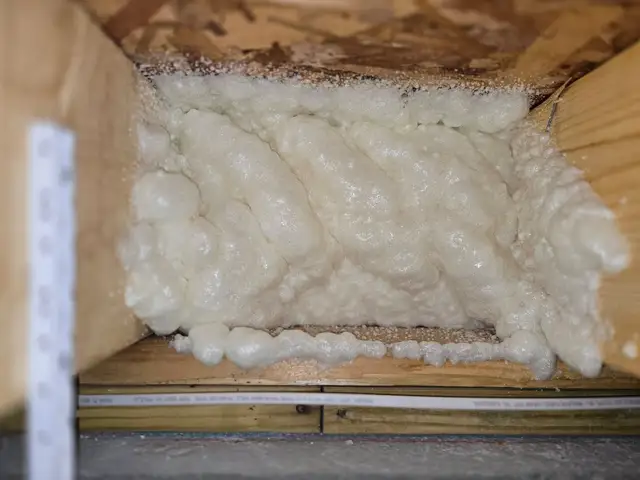
Air sealing services target cracks and gaps around penetrations, framing connections, and other accessible openings. Addressing these leaks can complement insulation improvements and help reduce noticeable unwanted drafts inside buildings.
Learn More
We work with spray foam, cellulose insulation, and protective coatings, giving us different options for residential and commercial projects. Rather than recommending the same material for every building, we consider the property's construction, existing conditions, and intended use.
As a family-operated company, we focus on careful work instead of rushing through jobs. We're also members of Spray Foam World Wide (SFWW) and the Spray Polyurethane Foam Alliance (SPFA), reflecting our involvement in the professional spray foam community.
Insulation work varies depending on the property's construction, existing materials, and the areas being treated. The following steps outline how a typical project may be approached.
We begin by learning about the building, the work you're planning, and any concerns you want addressed. This helps establish which areas need attention and what the project may involve.
We may review accessible walls, attics, crawl spaces, ceilings, or other relevant areas for existing insulation, gaps, moisture concerns, and installation access. These conditions help guide the next steps.
We consider the appropriate insulation or coating based on the building assembly, available cavity depth, intended use, and applicable requirements. Some projects may involve more than one material.
Preparation may include clearing access, protecting surrounding surfaces, removing unsuitable insulation, and arranging ventilation or other safety measures. The necessary work depends on the material being installed.
We install the selected material according to the product requirements and site conditions. Residential and commercial projects may also require coordination with builders, other trades, or building occupants.
After installation, we can review the treated areas for visible coverage concerns and any remaining work. When applicable, also discuss relevant curing, ventilation, and reentry instructions.
Pelletier Insulation LLC helps homeowners and businesses explore insulation options for new and existing properties in East Waterboro, Portland, Biddeford, Wells, and nearby communities.
Possibly. Traditional spray foam installation generally requires access to open wall cavities, so you may need to remove some finished surfaces. Dense-pack cellulose can be an alternative for certain existing walls because you can install it through smaller openings. The right method depends on the wall construction, existing materials, and the building's condition.
Yes, as long as installation conditions meet the foam manufacturer's requirements. Spray foam products have specific limits for surface temperature, air temperature, and moisture. During colder months, some projects may require temporary heating or additional preparation. Do not proceed with installation if conditions fall outside the approved product specifications.
Identify and repair the source of the water before installing new insulation. You may need to remove, dry, or evaluate damp insulation and surrounding materials for damage. Don't use spray foam to cover an unresolved leak. The affected area must be ready for installation before you apply new material.
Keep occupants and pets out of affected work areas during spray foam application. The installation process requires protective equipment and ventilation because of the chemicals involved. Safe reentry depends on the product, curing conditions, ventilation, and cleanup requirements. Ask your insulation contractor about the manufacturer's required ventilation, curing, and reentry instructions before work begins.
Efficiency Maine offers insulation and air sealing rebates for qualifying residential projects. Eligibility depends on the property, the work completed, and the program's current requirements. Qualifying insulation and air sealing work must be completed by an Efficiency Maine Residential Registered Vendor. Homeowners should confirm the contractor's registration and rebate eligibility before proceeding.
Spray foam can close certain gaps around framing, but it is not a rodent barrier. Mice and other pests can chew through insulation materials. Address exterior openings, damaged siding, and other possible entry points with appropriate pest-exclusion materials. Do not rely on insulation alone to prevent pest activity.
Request a quote in East Waterboro, ME, and nearby areas. Contact Pelletier Insulation LLC to schedule an appointment.