
Make rooms more comfortable.
Address temperature differences in upstairs bedrooms, finished basements, and additions that are difficult to keep comfortable.
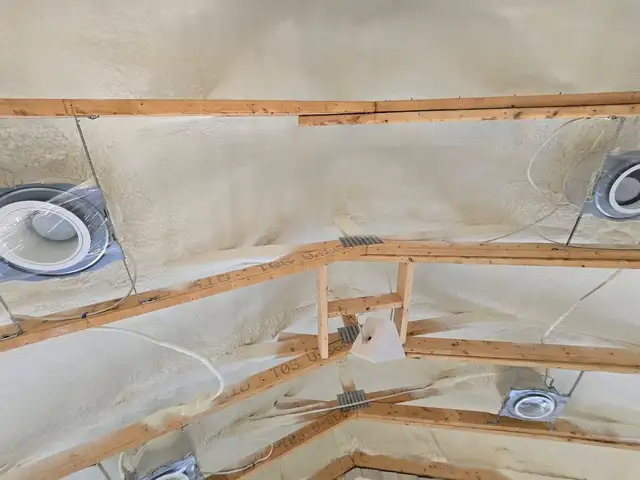
An upstairs bedroom can feel colder than the rest of your home, even when the heat is running. Pelletier Insulation LLC helps property owners address poorly insulated spaces with materials suited to their building's construction and comfort needs.
For renovations, new construction, and commercial building improvements, our family-operated team provides insulation solutions that help manage indoor temperatures, address air leaks, and support better building performance throughout Maine's changing seasons.
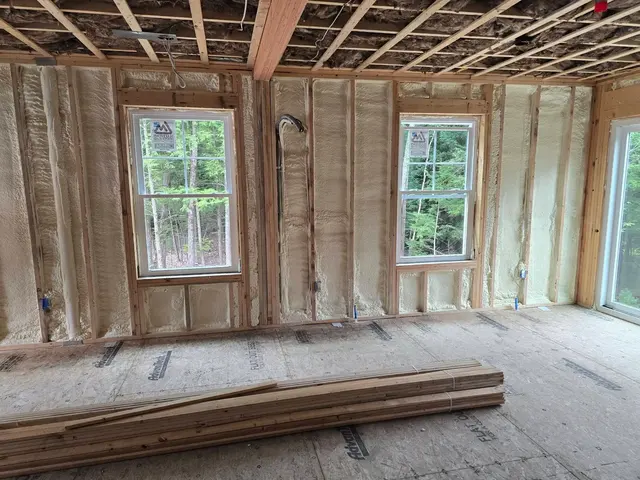
East Waterboro experiences freezing winter temperatures, seasonal snowfall, and humid summer conditions. According to National Weather Service climate records, nearby Portland averages approximately 144 nights per year at or below 32°F, based on 1991–2020 data. With such a long heating season, insufficient insulation in walls, attics, and floors can make it difficult to maintain comfortable indoor temperatures.
The right insulation materials help control heat transfer and improve building performance. Options such as spray foam insulation and cellulose can address different building needs. The EPA estimates that combined air sealing and insulation improvements can reduce heating and cooling costs by a national average of 15% in typical existing U.S. homes. Actual savings depend on the property's condition, existing insulation, and the improvements you complete.
Proper insulation helps regulate indoor temperatures, improve comfort, and keep different areas of your property functional year-round.

Address temperature differences in upstairs bedrooms, finished basements, and additions that are difficult to keep comfortable.
Select appropriate insulation for partitions separating offices, bedrooms, workshops, and other spaces where airborne noise is a concern.
Choose insulation with suitable thermal resistance when shallow cavities or framing details restrict installation depth.
Consider condensation, vapor movement, and drying requirements before insulating foundations, roof assemblies, or other moisture-sensitive areas.
Upgrade outdated or unsuitable insulation while accessible walls, floors, and ceilings are open for remodeling.
Plan appropriate coverage for residential rooms, occupied commercial spaces, storage areas, and other parts of the property with different requirements.

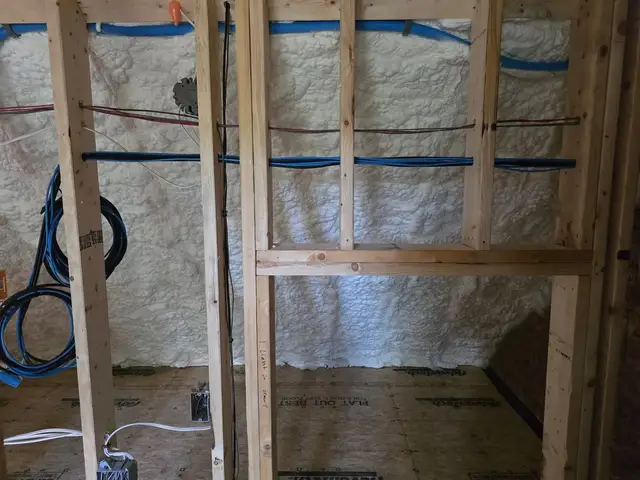
Open-cell spray foam expands through accessible framing cavities, helping insulate walls and ceilings while absorbing some airborne sound. It suits interior assemblies when you've considered moisture and vapor movement.
Learn More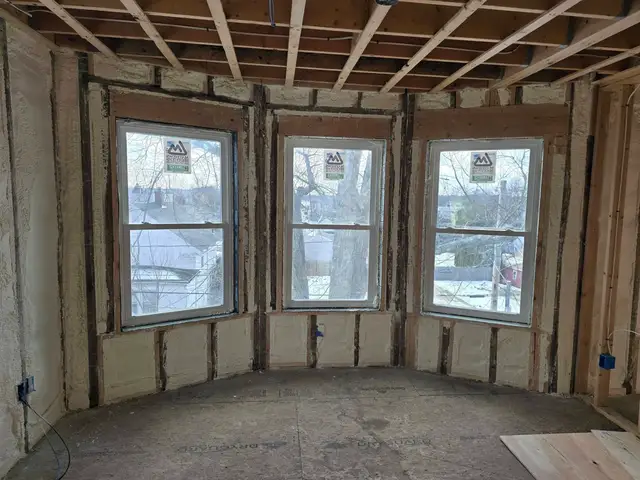
Closed-cell spray foam forms a rigid layer with high thermal resistance per inch. It suits rim joists, foundation walls, and restricted cavities when moisture details are part of the plan.
Learn More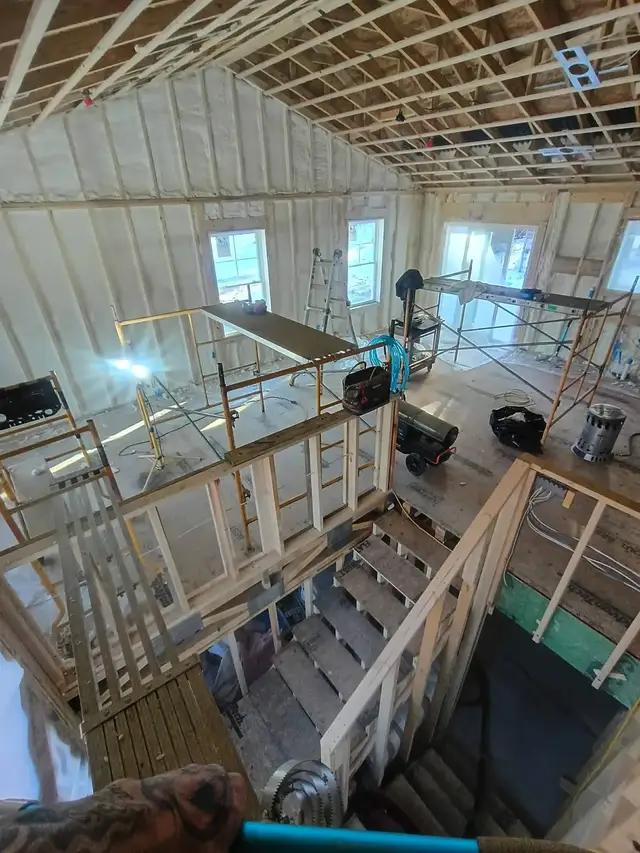
Commercial insulation projects require attention to building use, tenant access, and work schedules. We discuss practical approaches for offices, workshops, warehouses, and other facilities without overlooking code and ventilation requirements.
Learn More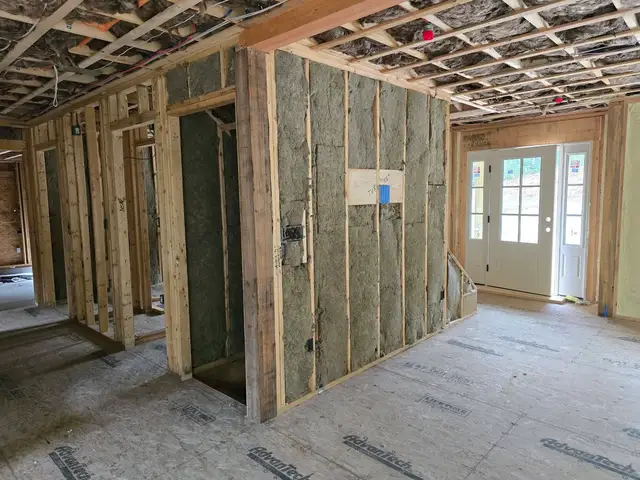
Residential insulation can address unfinished rooms, additions, exterior walls, and floors in older houses. Material choice depends on how each area is built and the everyday comfort issues homeowners notice.
Learn More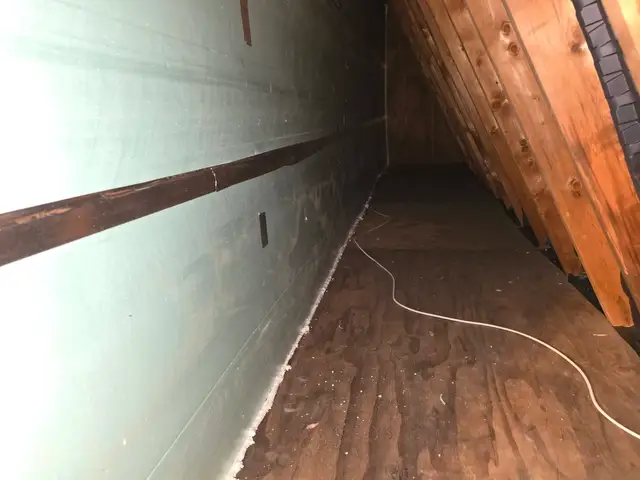
Attic insulation helps reduce heat loss through ceilings beneath unconditioned roof spaces. An assessment covers ventilation, existing coverage, access points, and moisture conditions before choosing materials for installation.
Learn More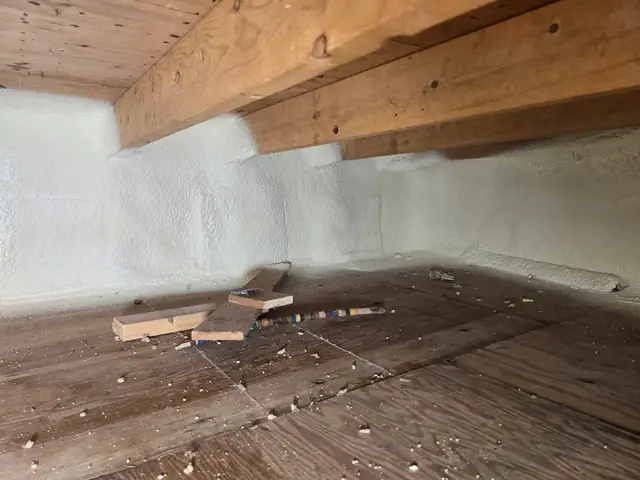
Crawl space insulation addresses floors and foundation assemblies near exposed ground. A suitable plan depends on whether the space is vented, how moisture enters, and where the thermal boundary belongs.
Learn More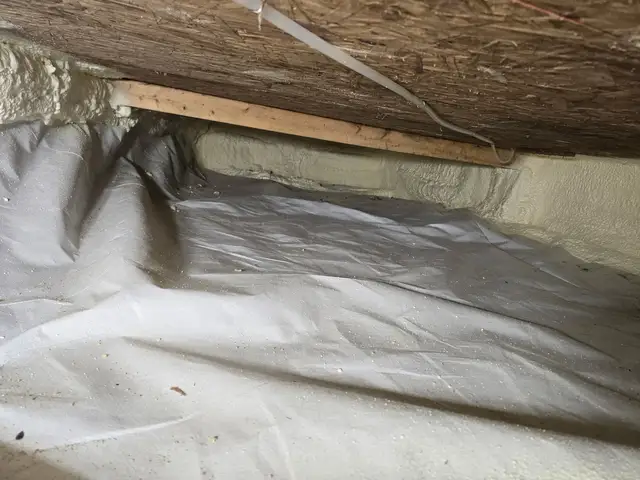
Crawl space encapsulation uses a ground vapor barrier and other moisture management details to separate the building from exposed soil. Address drainage problems before fully enclosing the space.
Learn More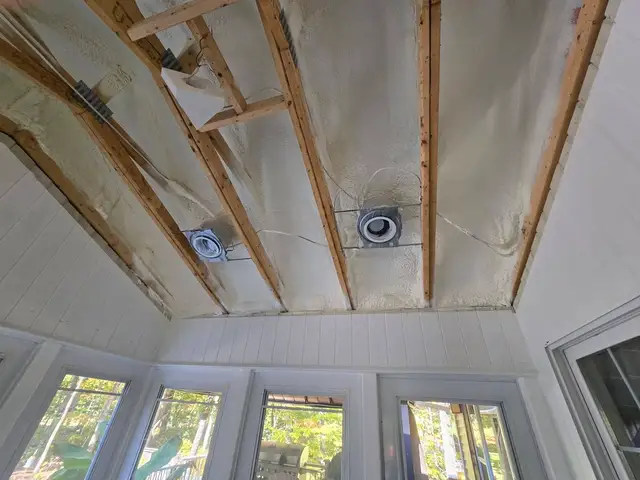
Retrofit insulation upgrades existing walls, floors, or ceilings without rebuilding the property. Cavity access and existing materials determine whether dense-pack cellulose or other methods can limit disruption to finished areas.
Learn More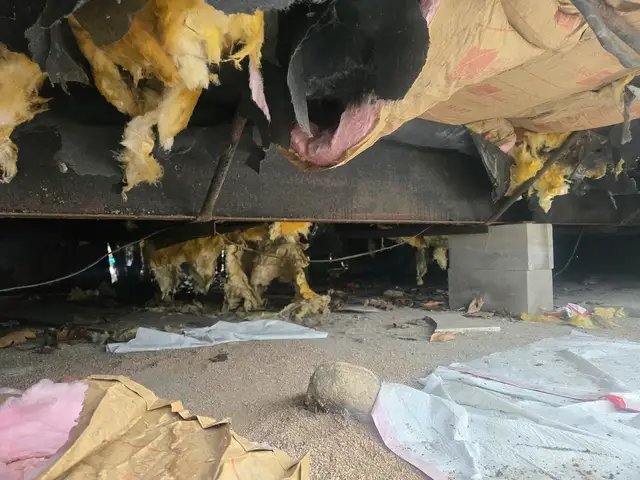
Insulation removal clears damp, damaged, or inappropriate materials before replacement. You may need it after a leak, pest activity, or renovation, once you've properly addressed the source.
Learn More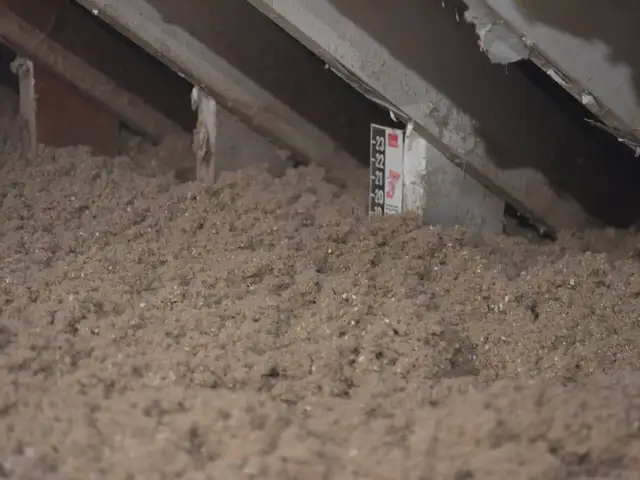
Blown-in insulation distributes loose material across suitable attic floors or into accessible cavities. It can help cover uneven spaces, particularly where installing fitted batts around existing framing would be awkward.
Learn More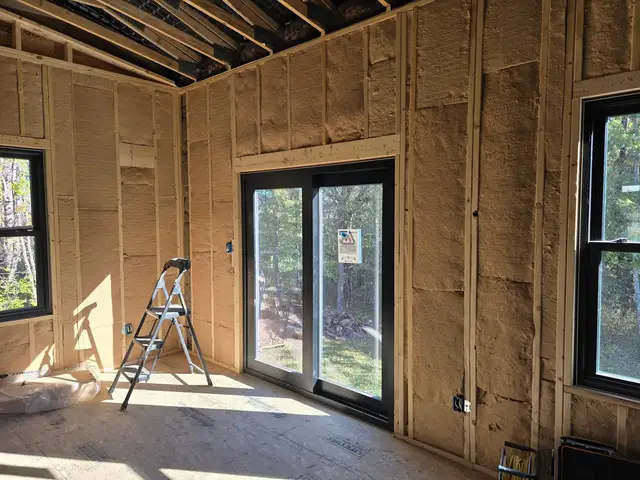
Dense-pack cellulose fills compatible enclosed wall or floor cavities under controlled pressure. It can be considered for older properties with finished walls where removing interior surfaces is undesirable.
Learn More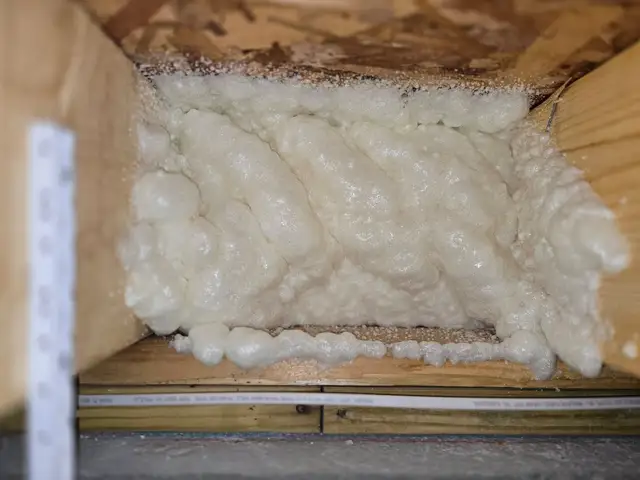
Air sealing targets accessible gaps around plumbing penetrations, framing joints, attic openings, and other leakage points. It complements insulation work by reducing drafts that insulation alone may not adequately address.
Learn More
Your insulation company should understand that different buildings require different approaches. We work with spray foam, cellulose insulation, and other weatherization materials, so we can consider multiple options. Whether you're updating an older property or insulating a commercial building, we focus on finding an approach that fits the space's construction and intended use.
Pelletier Insulation LLC is a family-operated business established in September 2023. We're members of the Spray Polyurethane Foam Alliance (SPFA) and Spray Foam World Wide (SFWW). Our approach emphasizes quality workmanship, safe installation practices, and giving each project the attention it needs, not rushing through jobs.
Every building has its own insulation requirements. The steps depend on the property's construction, existing materials, accessibility, and the work needed.
We start with a conversation about your building, current insulation concerns, and what you plan to improve. This helps us understand the project before discussing possible approaches.
We may examine accessible spaces for existing insulation, construction details, moisture concerns, and other conditions affecting the proposed work. The areas reviewed depend on the project.
We discuss materials suited to the building's needs, available space, and intended use. The choice may involve spray foam, cellulose, or another insulation approach depending on the application.
Preparation may include clearing access, protecting nearby surfaces, removing unsuitable materials, and arranging the required ventilation or safety measures.
We install the selected insulation according to product requirements and site conditions. Larger residential or commercial projects may require coordination with other construction activities.
After installation, we can review the completed areas for visible coverage concerns and any remaining work. When applicable, we also discuss curing, ventilation, and reentry requirements.
Pelletier Insulation LLC helps with insulation for existing homes, renovations, and commercial projects in East Waterboro and nearby Southern Maine communities.
Uneven room temperatures, cold floors, and visibly thin or missing insulation can indicate areas that need attention. However, these symptoms can also result from air leaks or heating system problems. Assessing accessible insulation areas can help determine whether additional insulation, replacement, or other improvements are appropriate.
The appropriate R-value depends on the home's existing insulation, attic construction, and applicable building requirements. Different areas of a building may need different insulation levels. The ENERGY STAR insulation guidance provides general recommendations. The final choice should account for the property's condition and current code requirements.
Improving attic insulation and sealing air leaks can reduce heat escaping into the attic, which contributes to ice dam formation. However, insulation alone cannot prevent every ice dam. Roof ventilation, snow conditions, and roof design can also affect ice buildup. Address existing roof or drainage problems separately.
It depends on how often the building is occupied, whether it is heated during colder months, and its current condition. Seasonal properties may benefit from insulation improvements when owners want better temperature control during visits. Owners should also consider moisture management and winter heating arrangements before selecting materials. Keep in mind that Efficiency Maine's residential insulation rebates require the insulated space to be heated throughout the heating season.
Yes. Efficiency Maine offers rebates for qualifying residential insulation and air sealing projects. Eligibility depends on the property, upgrade, and current program requirements. Qualifying work must be completed by an Efficiency Maine Residential Registered Vendor. Homeowners should verify both the program requirements and the contractor's registration before proceeding.
New construction projects generally provide easier access to wall and ceiling cavities before drywall is installed. Existing buildings can sometimes be insulated without removing all the interior finishes, depending on the available cavities and selected material. For example, you may install dense-pack cellulose through smaller openings in suitable finished walls.
Request a quote in East Waterboro, ME, and nearby areas. Contact Pelletier Insulation LLC to schedule an appointment.